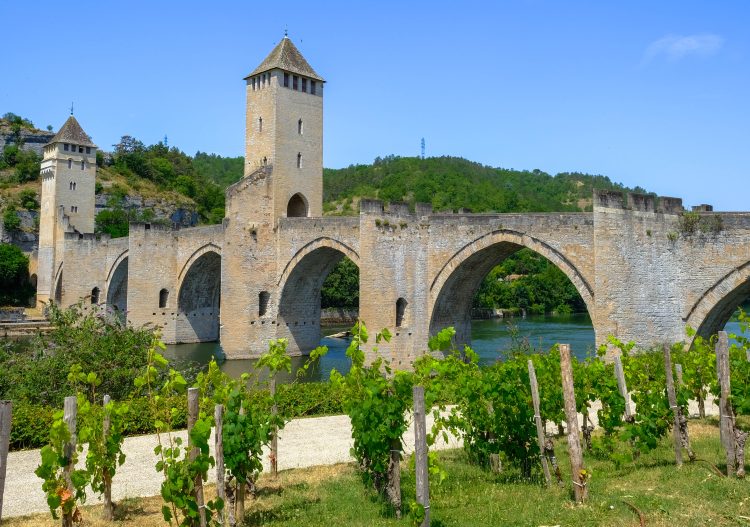
Cahors is almost certainly destined to have every story about it headed by its very famous bridge, the UNESCO World Heritage Site that stands as the town’s symbol. That’s not a bad thing, actually, but if it’s all you see you’ll miss out on a city with a rich medieval history – and a great base for exploring the region of the Occitan and the département of the Lot.
“That bridge” is the symbol of Cahors…
It was a relief to arrive in Cahors after 10 straight days of brutal 95-degree heat. Here the sky was heavy and gray, the temperatures had dropped, and there was even a hint of moisture in the air. I checked into my hotel, the Divona Best Western on the bank of the River Lot…and then I stepped out on the balcony to get my first breathtaking glimpse of the bridge, one of the most famous in Europe.
On one level, bridges are simple structures. They serve one of two possible purposes: moving traffic from one place to another and controlling that flow of people and goods. The bridge at Cahors was built for both. My engineering friends know there is a whole world of mathematics and physics that make it possible to build a structure like this – calculating how to support the load, what materials to use, how to choose the right site, and so on. But the architects and artists of the world also know that every major bridge is an opportunity to build something aesthetically pleasing, even dramatic. And the bridge at Cahors was certainly built with both points of view in mind.
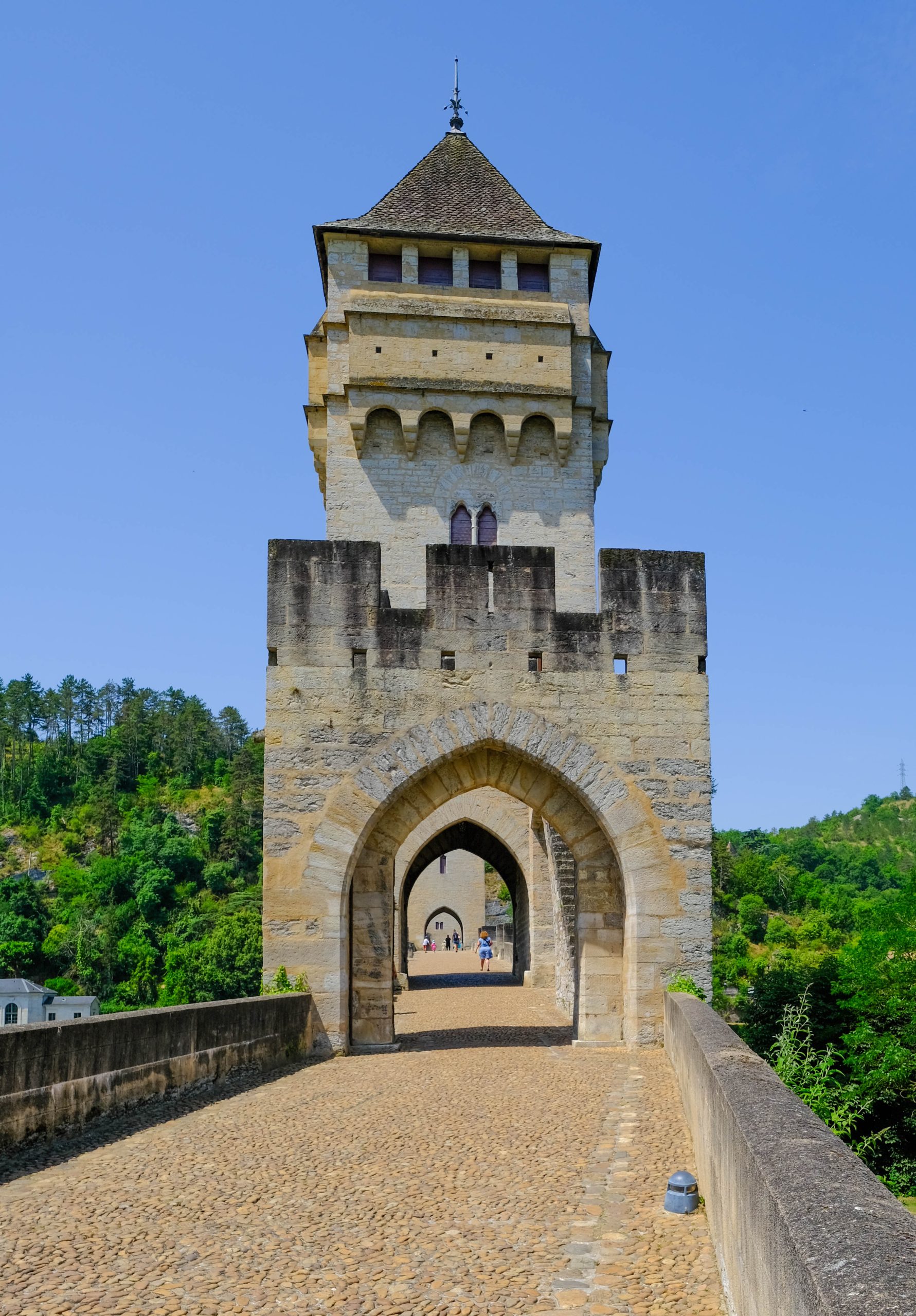
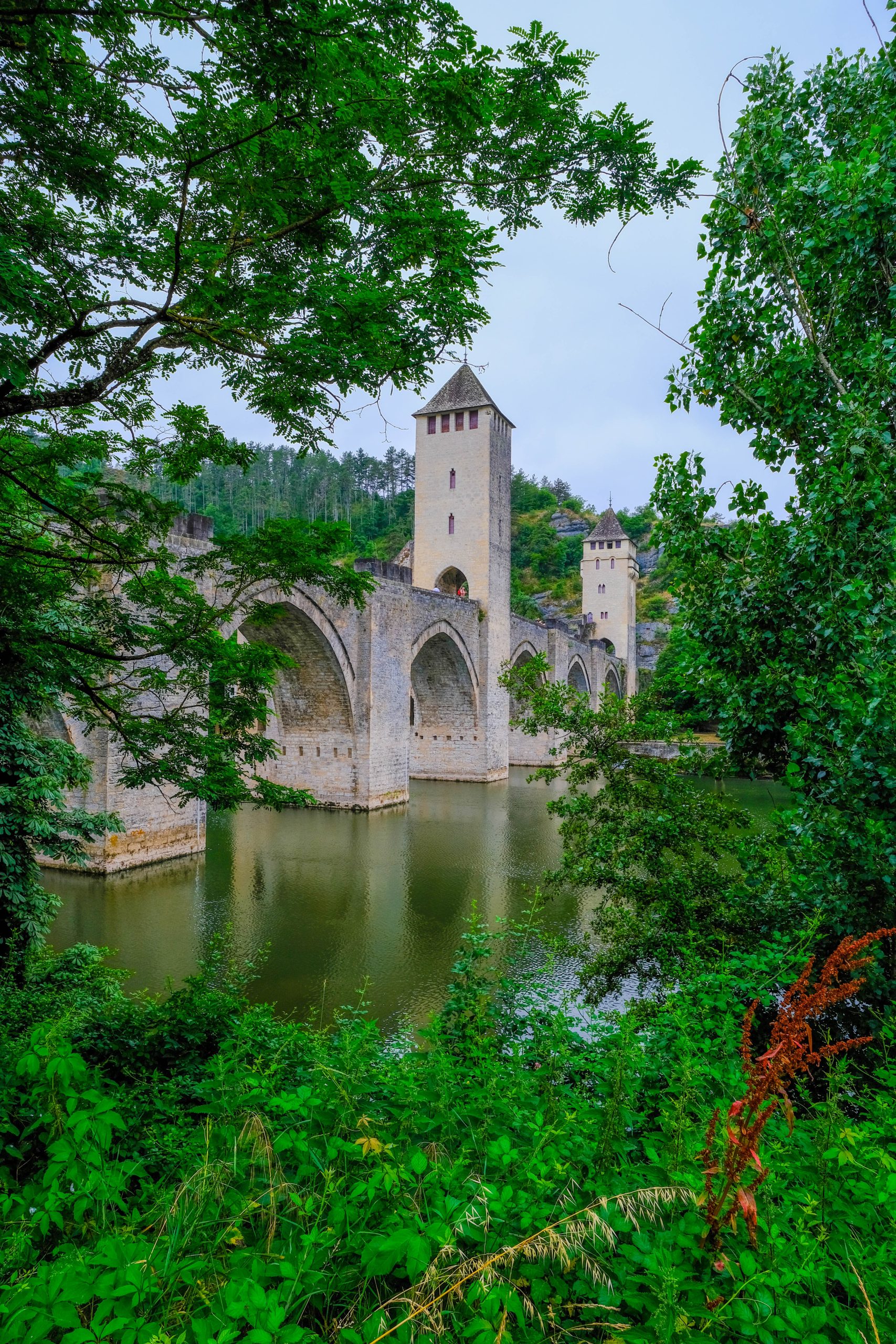
It's called the Pont Valentré. Construction started in 1308 C.E. and took 70 years to complete, although it was opened to traffic in 1350. When the towers were finally added in 1378, the Hundred Years War was raging across this part of France, and the bridge is presumed to have played a part in keeping the city free from sieges during that turbulent period. There were originally three towers (only two remain) from which archers could rain arrows down in every direction, and a sophisticated system of draw bridges was incorporated to give complete control over access to the city. Since this was also the principal entry into Cahors, it was also a convenient point for collecting taxes and entry fees from any merchants wanting to move goods into town.
(There’s a great story surrounding the time it took to complete the bridge. The architect, frustrated by slow progress of the work, is supposed to have made a deal with the devil, offering to give up his soul if the devil would agree to execute all his orders to accelerate the construction. At some point, as things started moving faster, the architect decided to ‘renegotiate’ the deal, so he issued one last order: the devil must carry water in a sieve to help complete the mortar work at the top of the towers. That was impossible, of course, so the devil had to cancel the contract for the architect’s soul – but the whole affair made the devil so angry that he secretly sent one of his minions around every night to take a stone out of the construction site, dragging out the completion of the work.)

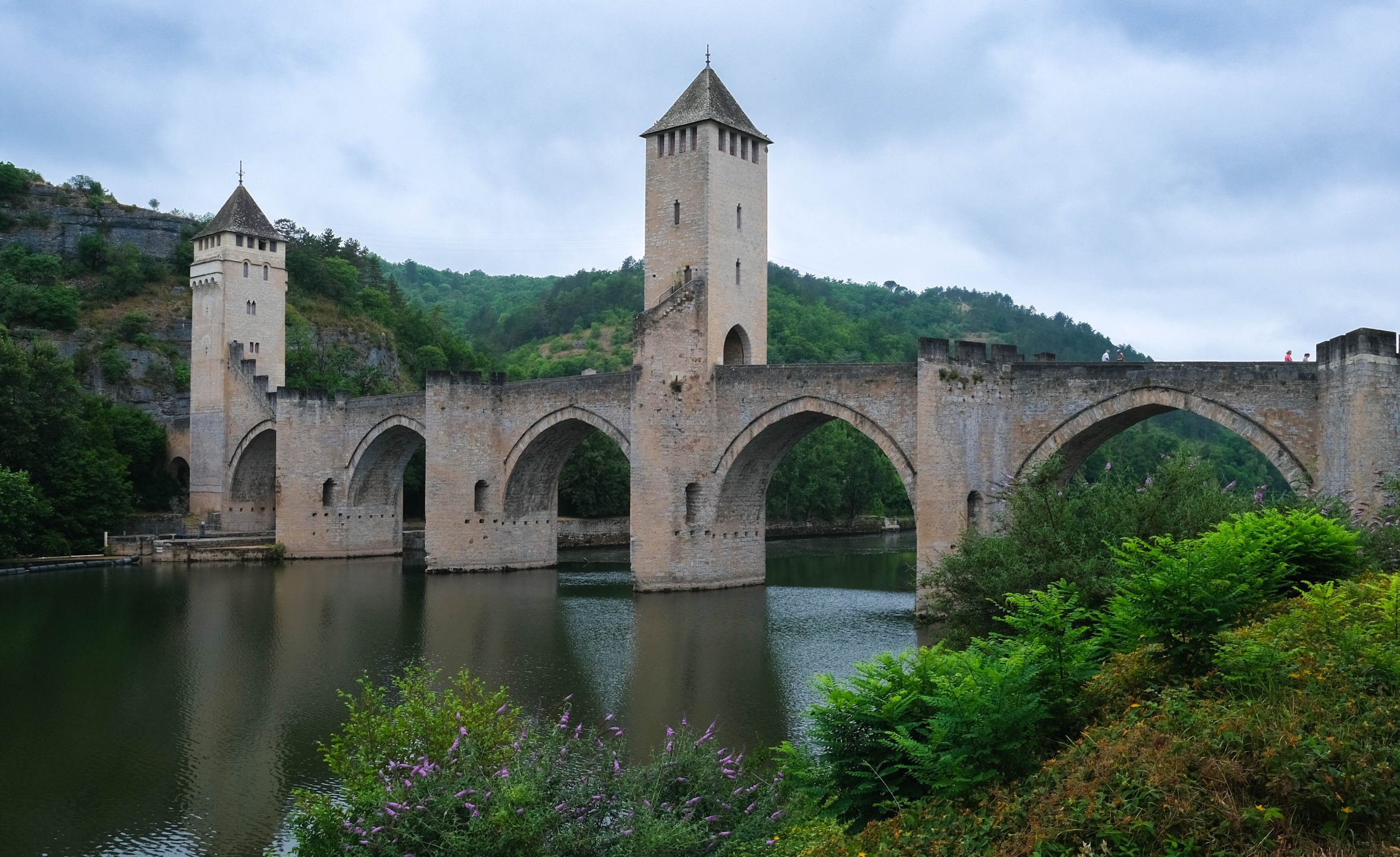

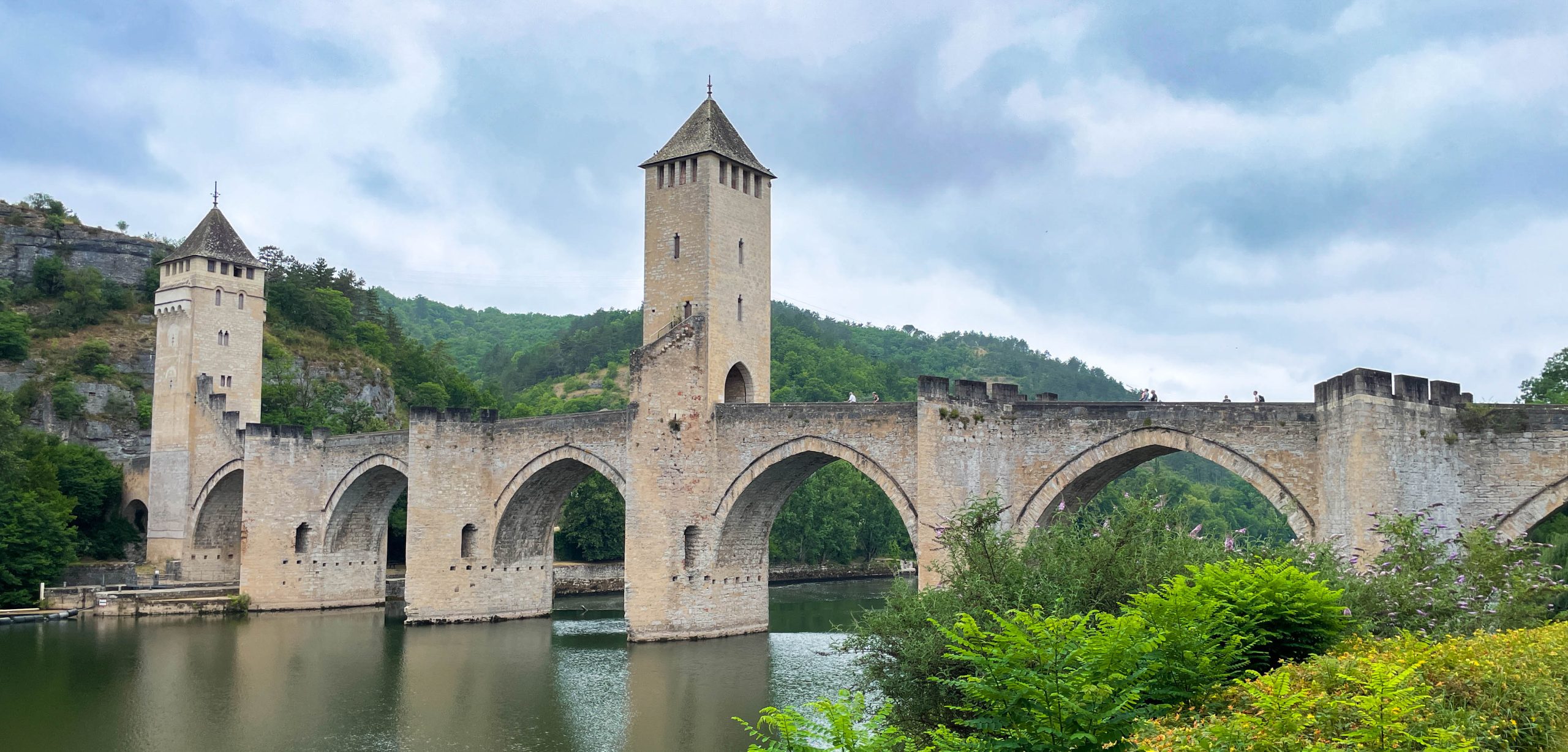
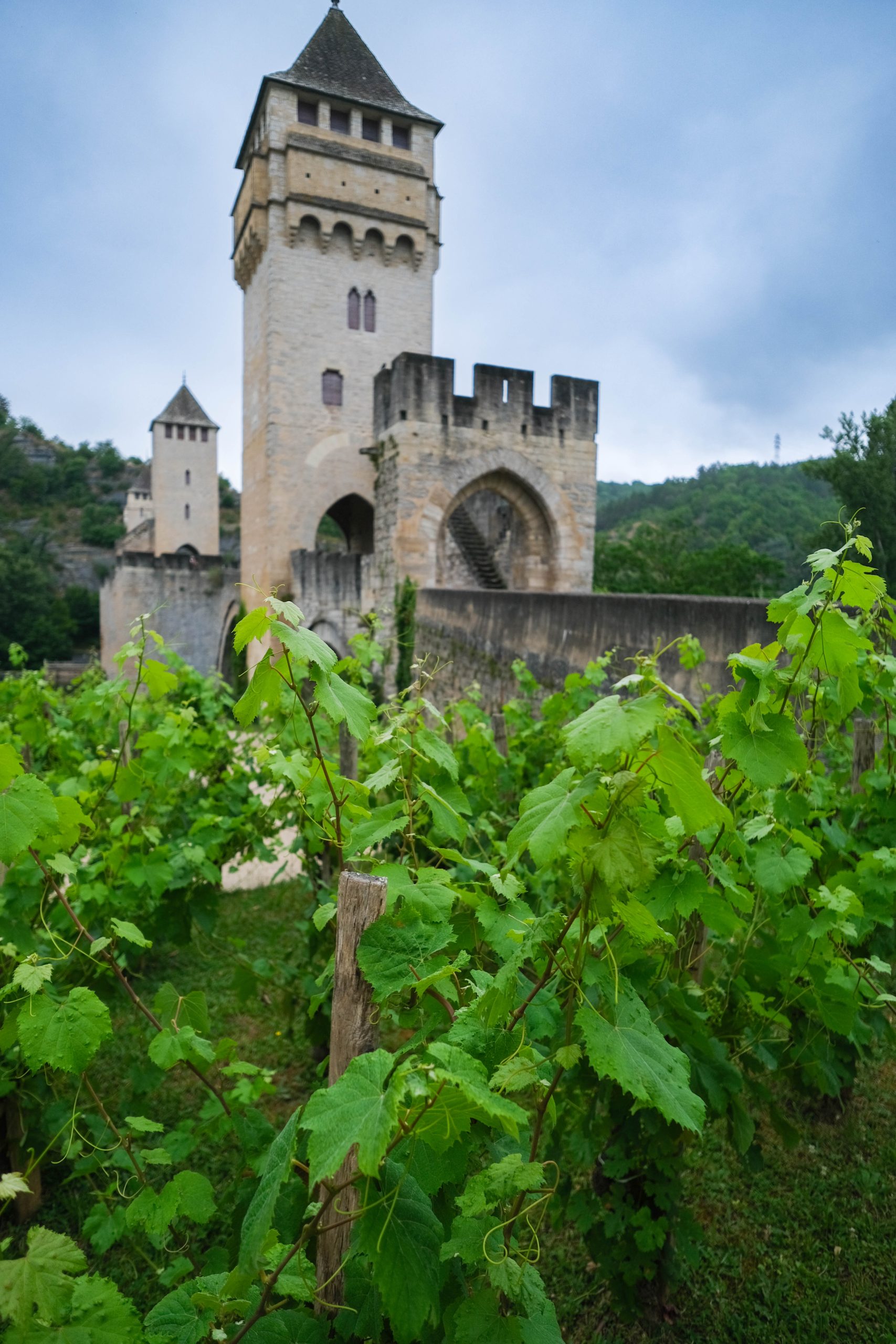
In any case, the Pont Valentré is a very beautiful bridge in the Gothic style, and its historical and architectural importance was recognized when the UNESCO World Heritage list counted the site as one of the 71 essential buildings on the pilgrims’ road to Santiago de Compostela. And it’s easy to visit – always open and free to walk from one bank of the Lot to the other. While I was there, dozens of people were taking leisurely walks across the bridge; there’s also a very pleasant little “Jardin d’Ivresse” (Garden of Inebriation) planted with the region’s famous Malbec grape vines at the foot of the Pont.
Of course, there are other, more modern bridges spanning the Lot. But when you remember that Cahors is surrounded on three sides by a meander in the river, it’s not hard to imagine how important that single point of entry from the river through the town walls would have been in the 1200s and 1300s. The Pont Valentré fulfilled its functional mission by controlling all the traffic passing through that entry. That it is also strikingly beautiful – well, that makes it a priceless landmark and a symbol of the town for the ages.
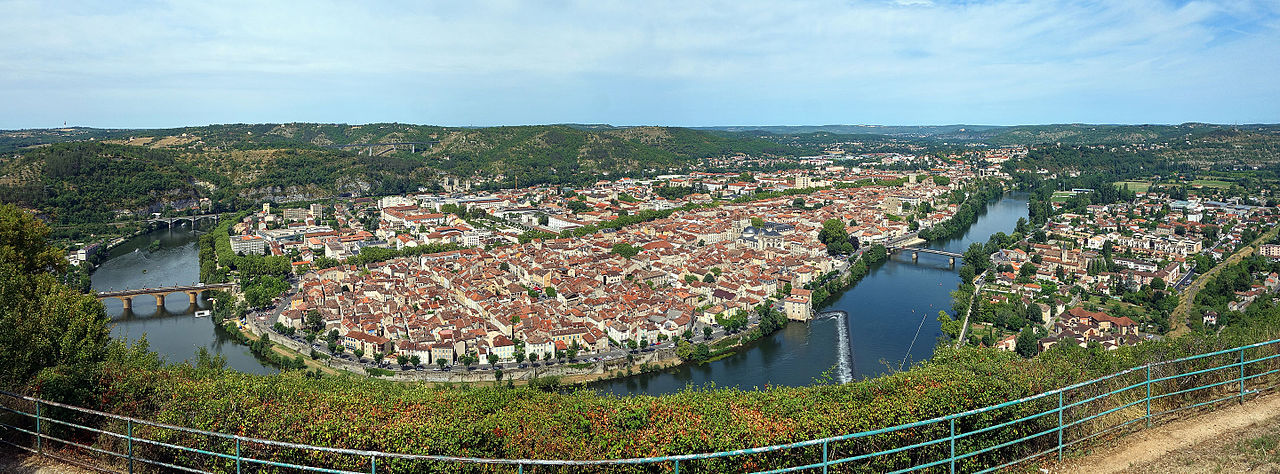
…but there’s much more to see in Cahors
The ancient history of the city was on display from the first moment I walked out the door of my hotel on the banks of the Lot. There’s a construction site directly across the street, where the plan is to build a 21st-centruy hospital center. Work has stopped, though – as it often does in old places like this – because they’ve discovered the extensive ruins of a Roman structure just below the surface, and before the new building can go up, they must finish an archeological survey of the site.

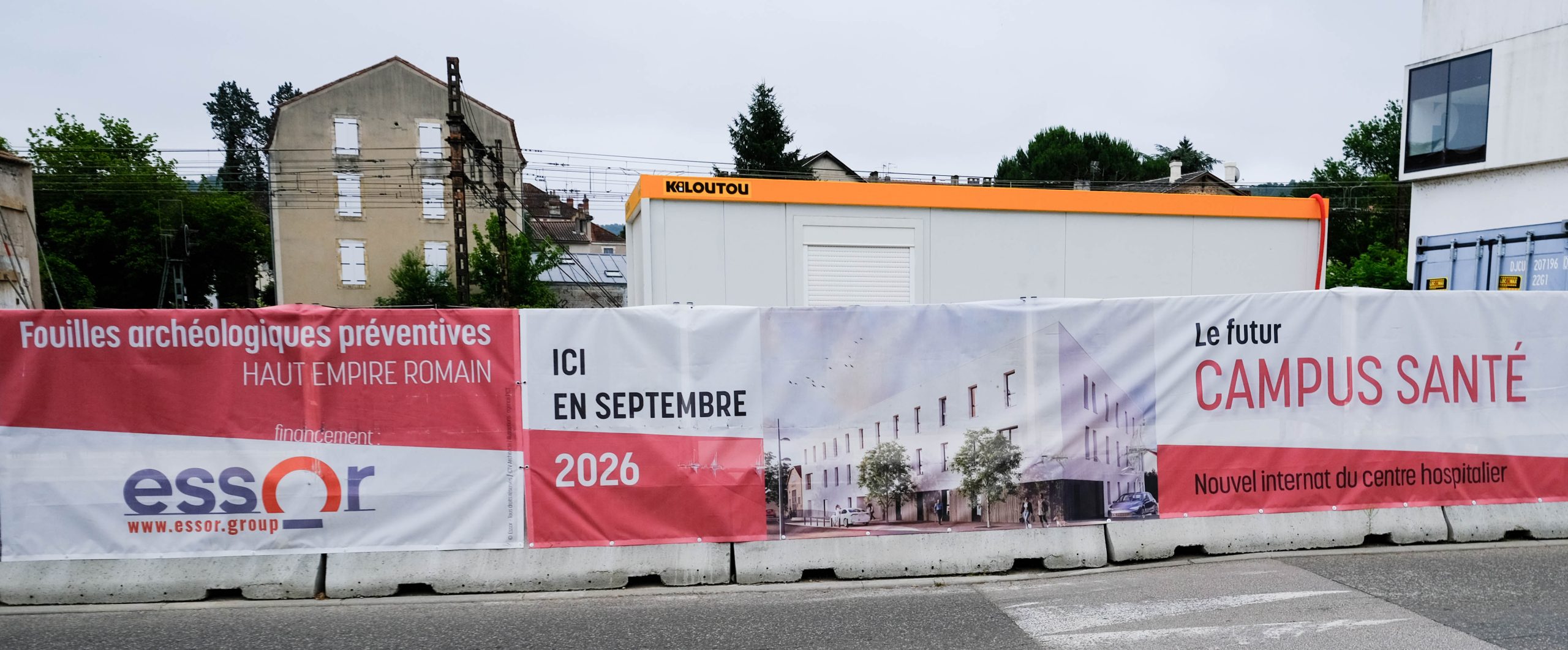
Those Roman ruins reflect the deep historical roots of Cahors, but the Romans weren’t even the first settlers here. When they arrived around 50 B.C.E., the Cadurci (a Celtic tribe) were already settled there. They called the place Divona, for the fountain the Gauls treated as a sacred site, and you still see that name everywhere around Cahors – “Divona Pizzeria”, “Divona Law Offices”, and the Divona Best Western hotel where I stayed. The Romans kept the name when they colonized the site; you can also see the traces of the large town they built in several places, most notably in the ruins of a Roman amphitheater now visible in one of the city’s parking garages.
Still, the main character of central Cahors is distinctly medieval. Several of the most interesting sites date from that period:
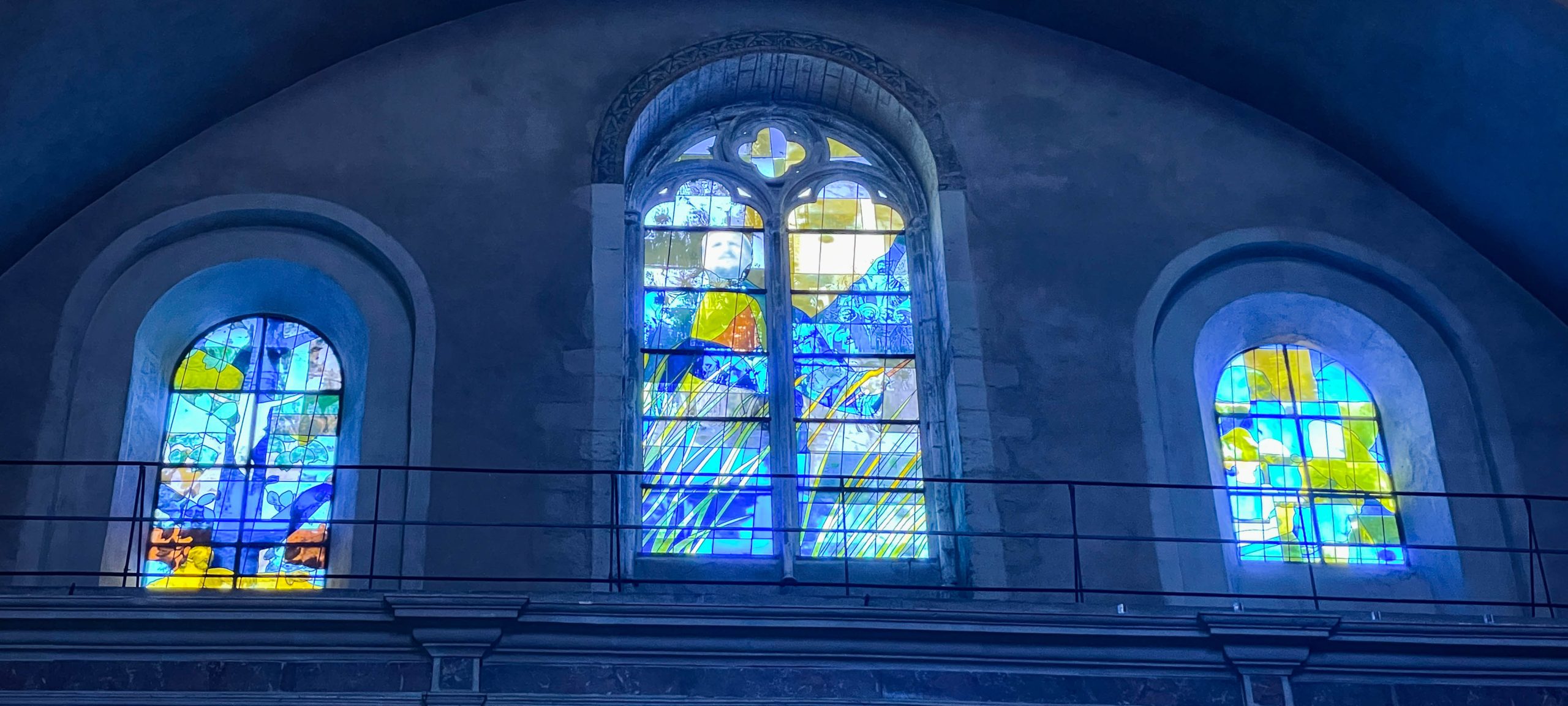
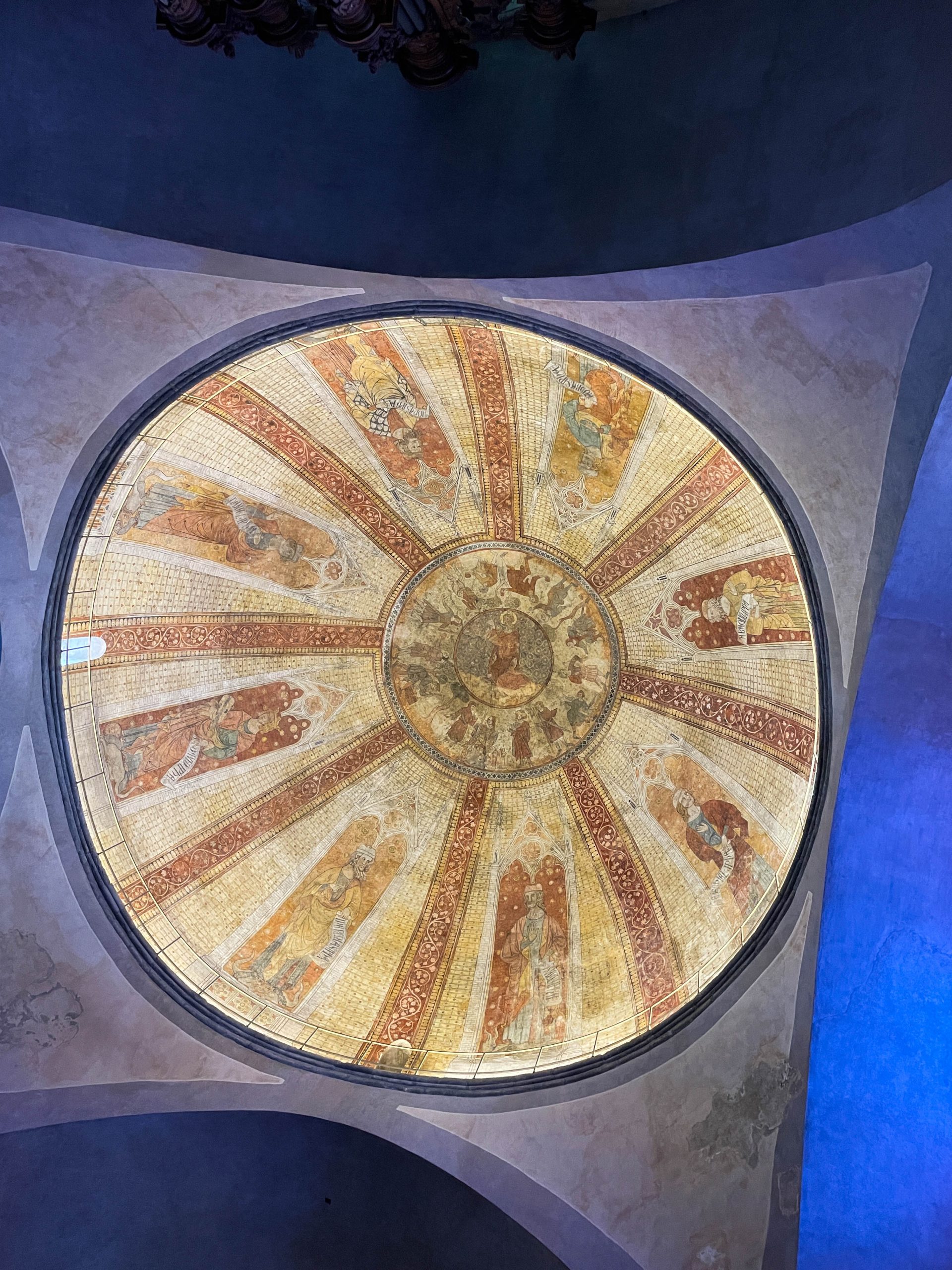
- The Cathédrale Saint-Étienne is another building cited by UNESCO for its importance to pilgrims on the way to Santiago de Compostela. Completed around 1135 C.E., it’s remarkable for several reasons, not the least of which is its unusual double-domed architecture.
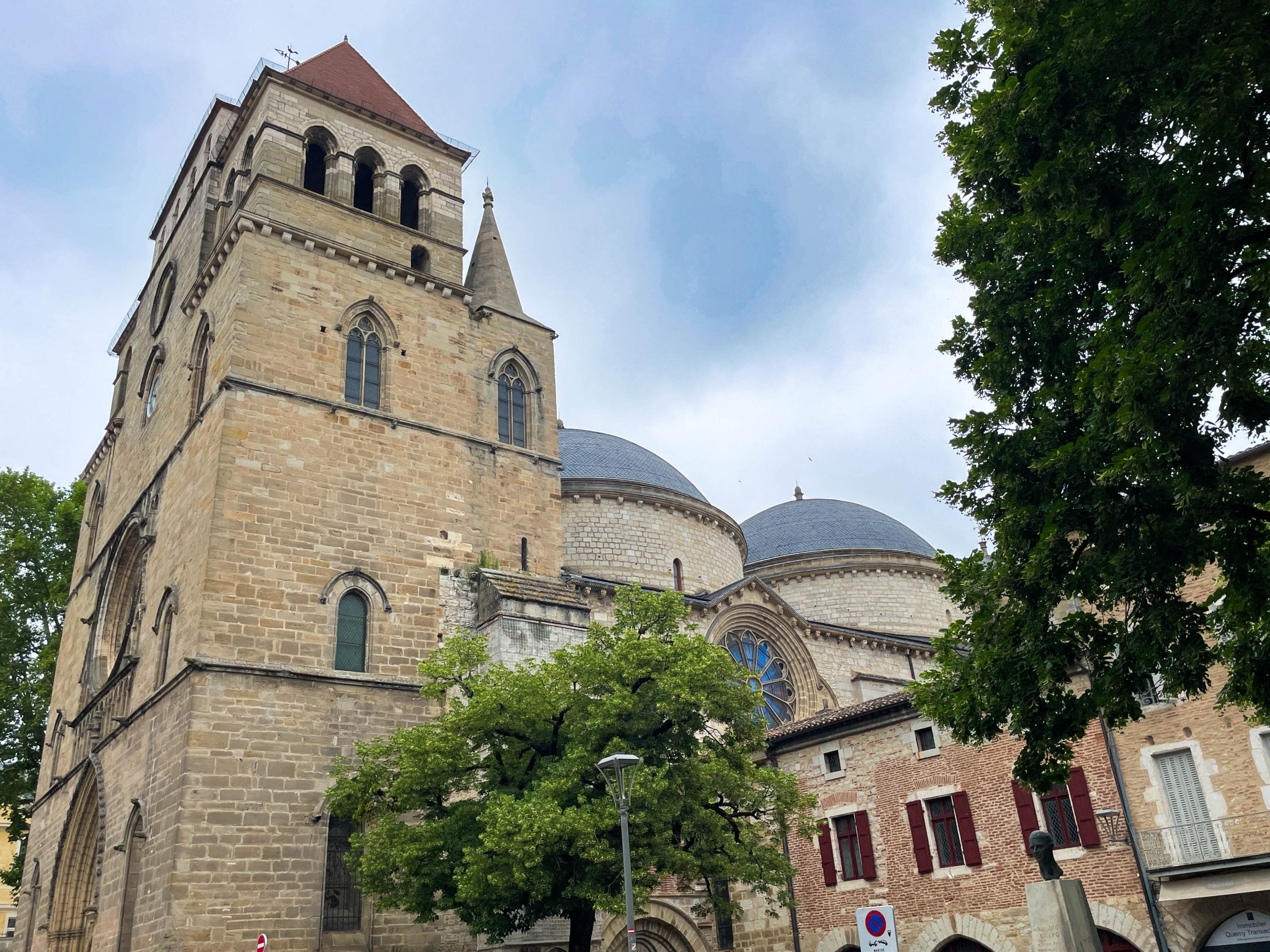
It’s an interesting mix of older Romanesque and newer Gothic styles, and its blocky design indicates that it also could be used as a defensive structure in times of war. That’s not surprising, since the bishops of Cahors were also frequently feudal barons who had a vested interest in protecting the city from attack.
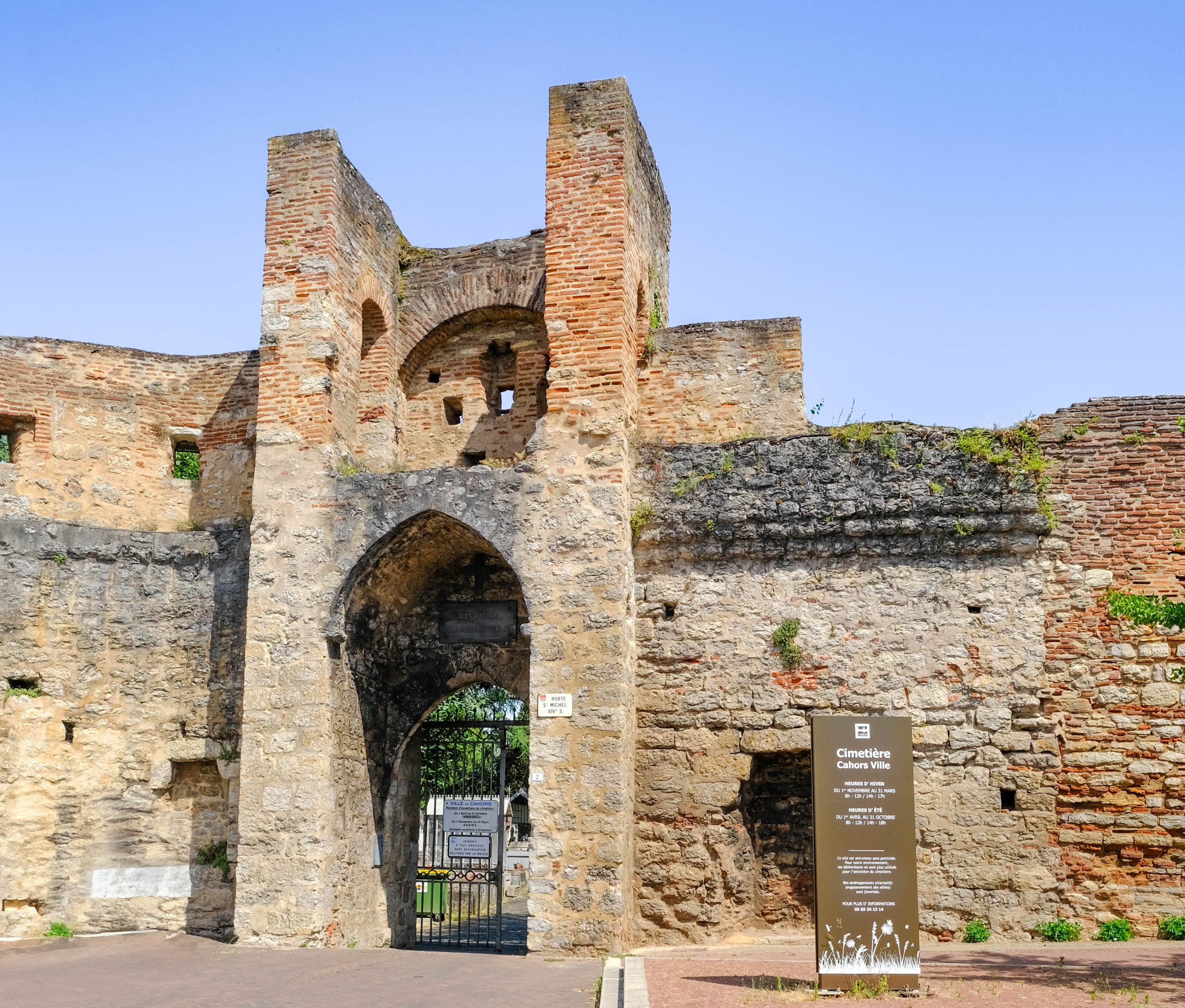
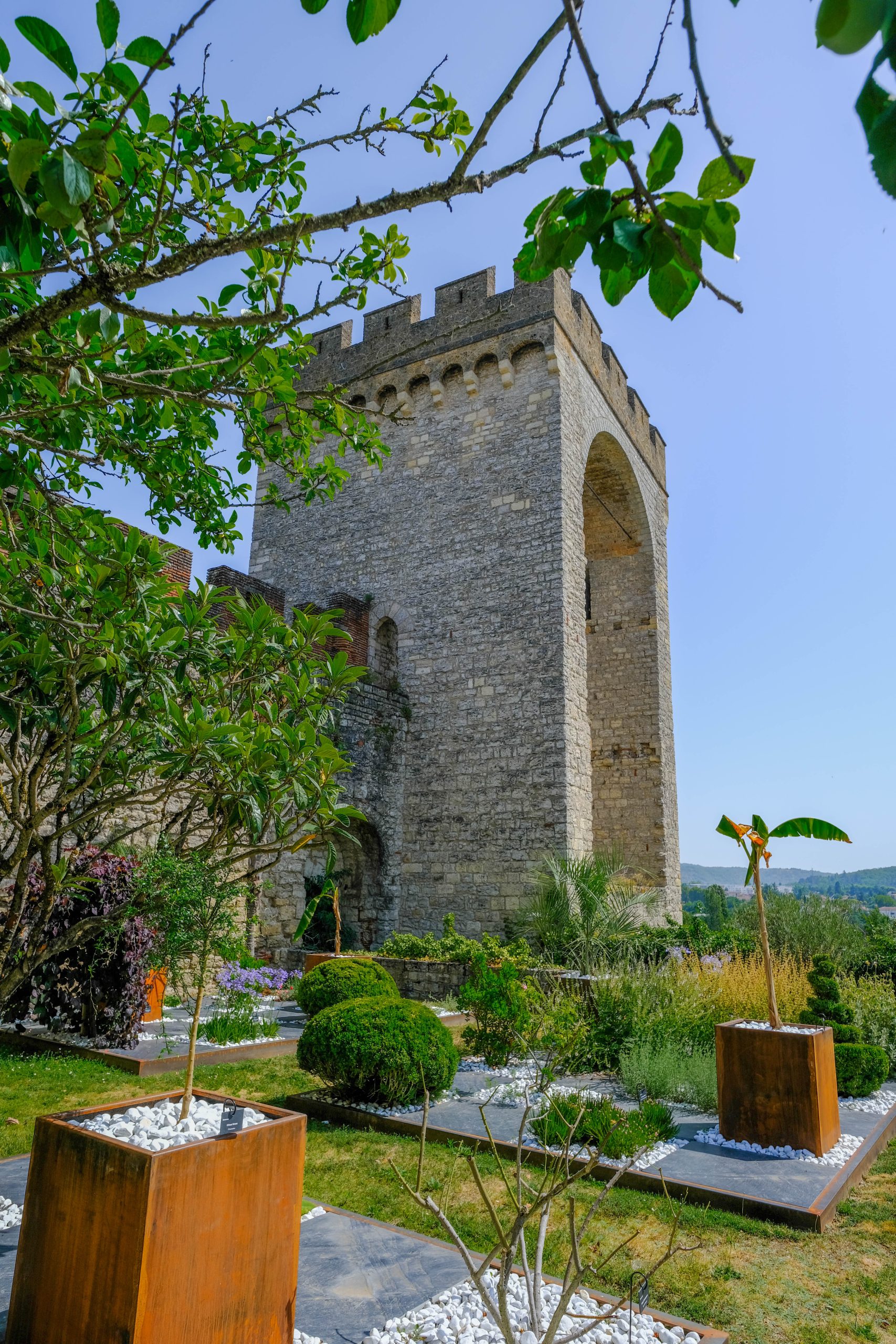
- Several spans of the medieval city’s fortified walls are still visible. You can have a very pleasant walk through the streets around the Cathedral, see many of the ancient houses in the medieval quarter, then walk around the remains of the city walls. La Barbacane – the defensive tower built to provide a gateway through the fortifications – is one of the more impressive structures still visible, and it’s surrounded by some pleasant small gardens.

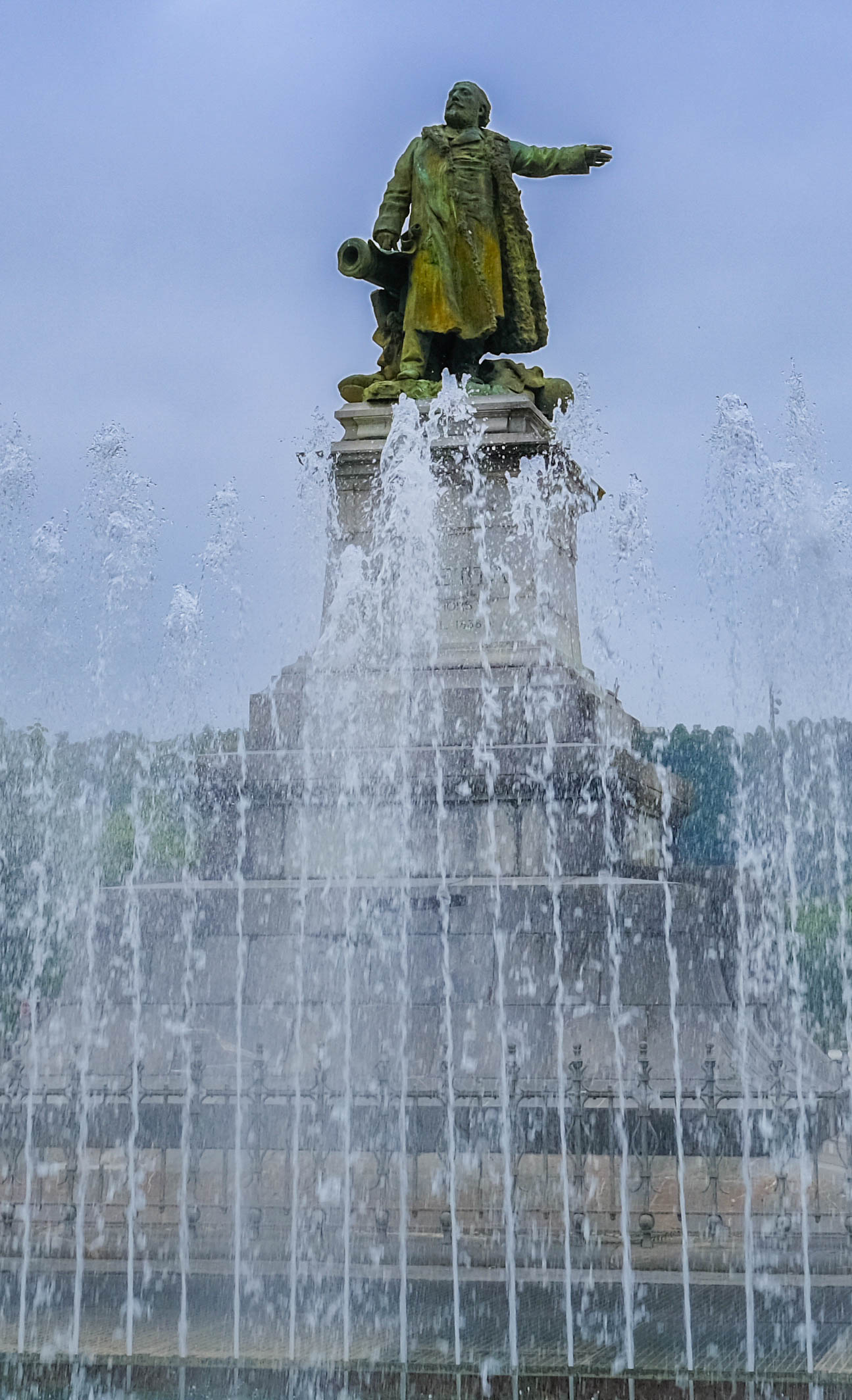
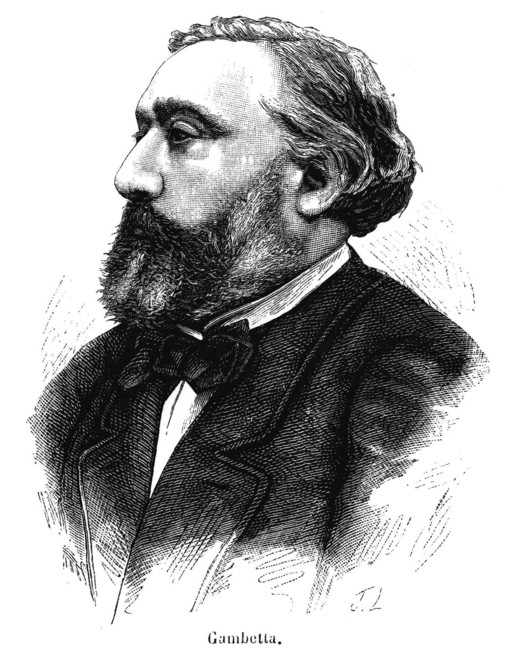
- In more recent times, Cahors was known as the birthplace of Léon Gambetta, and his name appears in almost as many places as the old name of Divona. Gambetta, the son of an immigrant Italian grocer and a French mother, became one of the most influential figures in French politics of the late 1800s. When Napoleon III was forced to surrender after a decisive battle in the Franco-Prussian War, it was Gambetta who spoke on behalf of the House of Deputies to decare a new French Republic in 1870. Today, in addition to having his name plastered on streets and shops, he is memorialized in Cahors by the impressive Place Gambetta in the center of town.
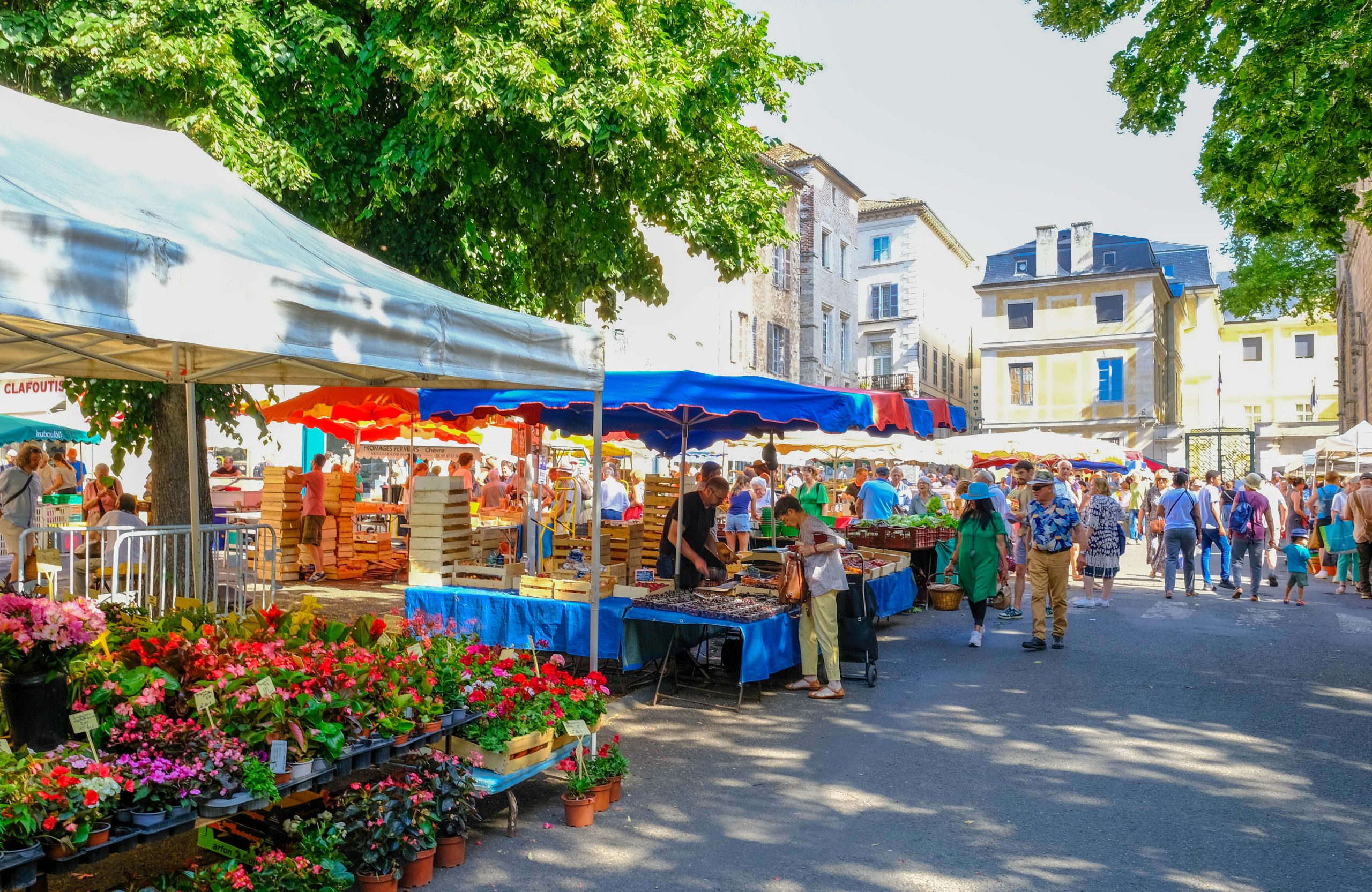
- If you happen to be in town on a Wednesday or Saturday, you’ll want to spend some time ambling through the big market set up in the place in front of the Cathedral. If that’s not possible, you can still sample many of the local products in the permanent market in the Halle de Cahors.

Oh, and there’s one more “diabolical” connection lurking in the history of Cahors. In the 1200s, it was well-known as a center where Christians were willing to charge interest on the money they loaned, even though the practice was strongly condemned by the Catholic church of that era as the sin of usury. For a while at least, the town was known as a center for banking and long-distance trading, using the Lot River to export the region’s signature wines and ship exotic products from the rest of the world further up into central France. Because of the usury, though, calling someone a “Cahorsin” was considered a serious insult, and Dante situated the citizens of Cahors in the same verse alongside the people of Sodom when he put them in the 7th circle of hell in his Divine Comedy!
The wines of Cahors
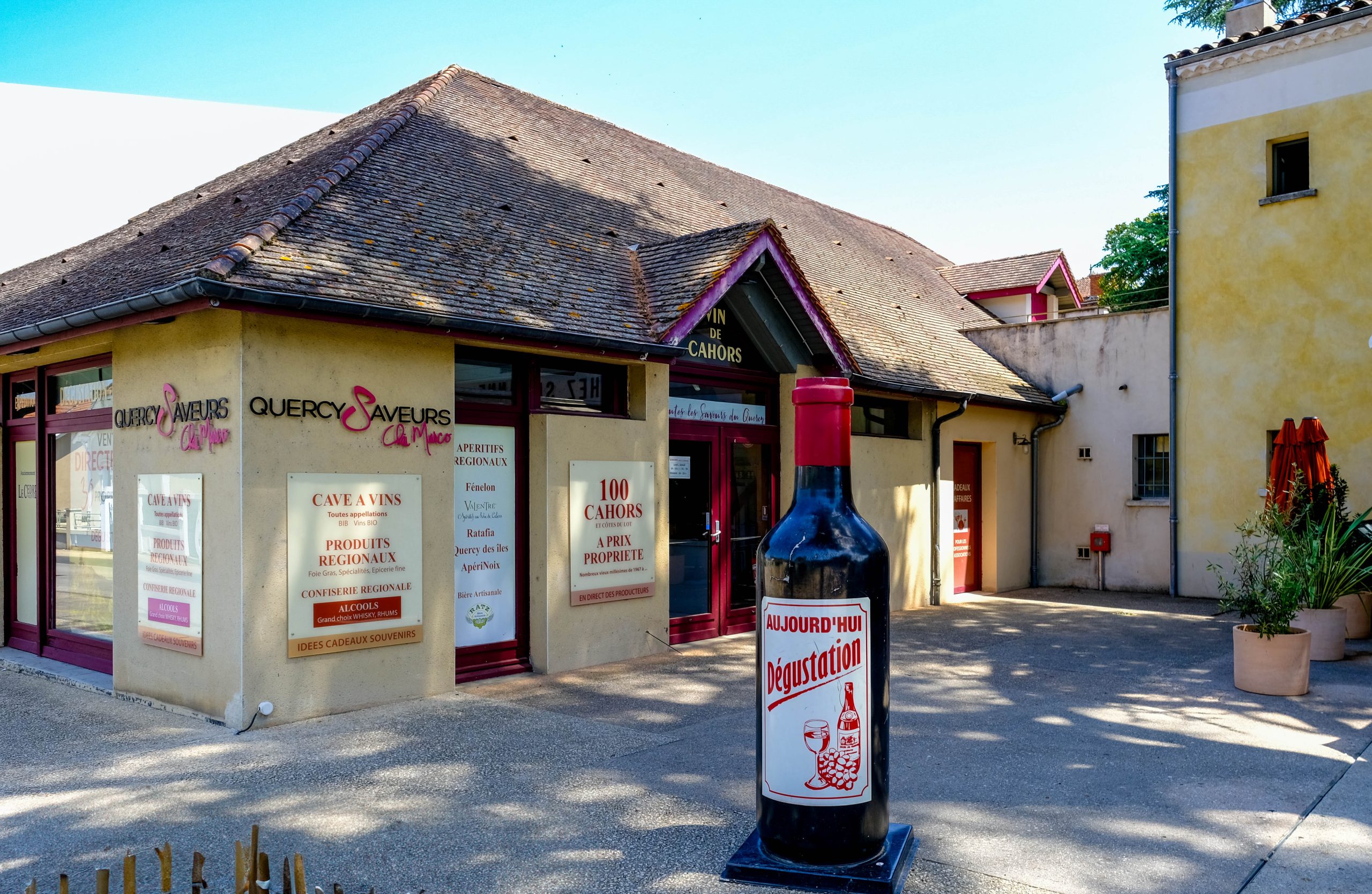
There’s another important reason to visit Cahors: its famous wines. (In fact, when we first visited the town in 1997, I’m don’t even remember that we made it to see the Pont Valentré; we were there specifically to look up one of the local vintners we’d read about in Hachette and sample his organically grown red wines.) If you like really dark, full-bodied reds (they call it “black wine” here), you’ll want to visit one of the local co-ops or tasting rooms to sample the local product. By regulation, a wine designated as a product of Cahors must contain at least 70% Malbec in the blend; the other 30% can be Merlot or Tannat at the vintner’s discretion. In any case, every one of the restaurants I visited during my week here offered a “house wine” from this region, and not one of them was disappointing!
Using Cahors as a base for exploring the Lot département
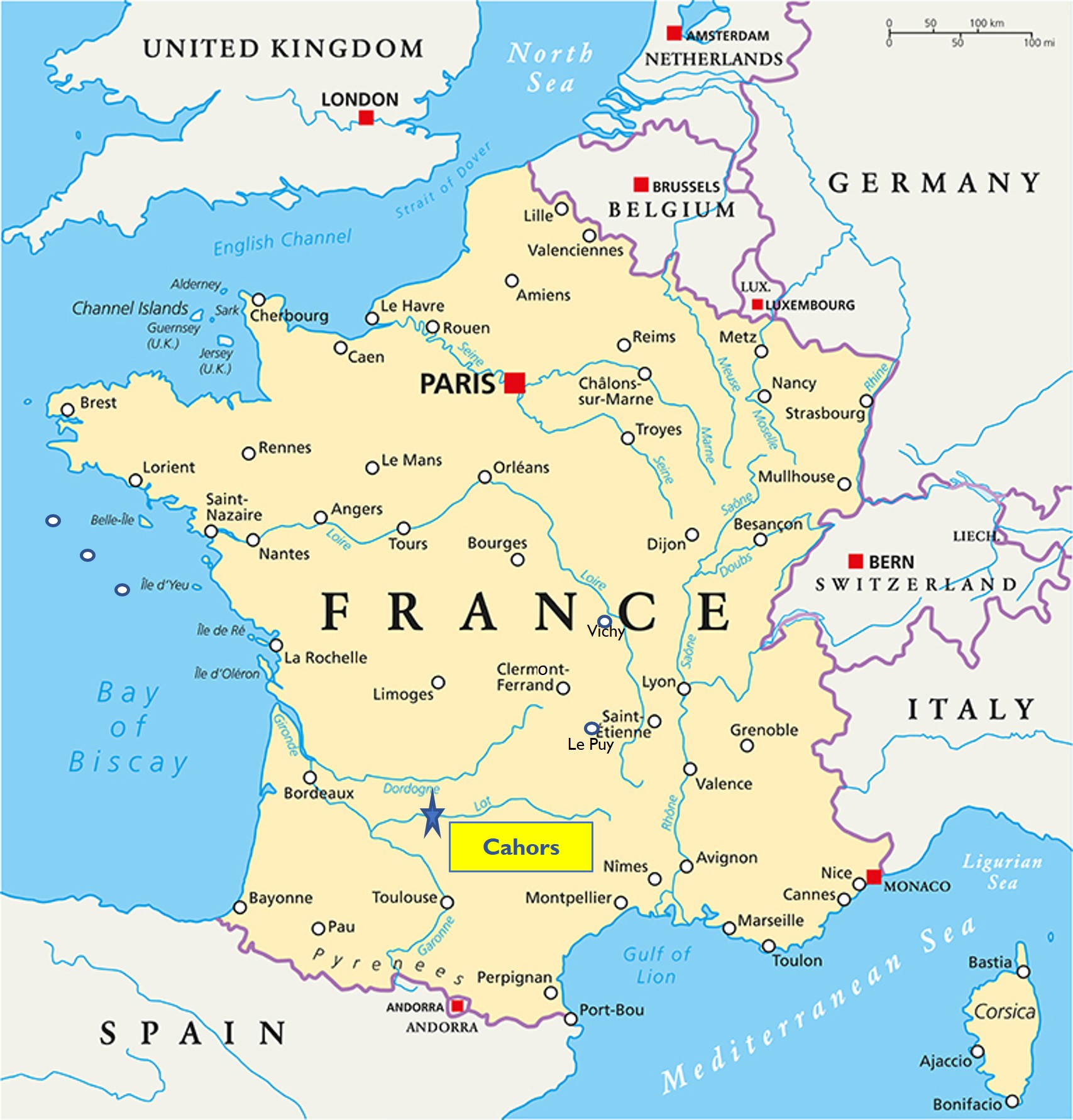
Once you’ve seen all you care to see in town, you can branch out into the surrounding countryside to see some of the most interesting and stunning places in southern France. The département of the Lot was created at the time of the French Revolution, and although it is not the most common destination for Anglophone tourists, it is home to some of the most historic towns and castles in the Occitan region. I’ve written elsewhere about Figeac, one of my favorite medieval cities anywhere in France, and about Martel, the “town of Seven Towers” named for Charlemagne’s grandfather. I’ve also written about the massive Château de Biron, a “living library” of medieval architectural styles, and I’m planning to cover the “Most Beautiful Village” of Saint-Cirq-Lapopie and the extraordinary prehistoric cave paintings to be found at Peche-Merle in future posts.
All of these places are relatively easy day trips from Cahors – but if you prefer just to stay in town, sitting on your hotel’s patio and enjoying a rich glass of Malbec wine as you contemplate “that bridge”… well, I can tell you from personal experience that there are few better ways to pass a Sunday afternoon in the deep heart of France!
Do you have a favorite place in south-central France? Have you visited any of the places mentioned in this post? What appeals to you about this part of the country compared to other places you’ve seen? Please share your experiences in the comments section below – and while you’re here, I’d be grateful if you could share this post with someone else interested in the people, culture, history, and places of “the deep heart of France”.
Unless otherwise noted, all photos in this post are copyright © 2025 by Richard Alexander



Thank you for a fascinating article and the many beautiful photos.
Which vineyard makes the organic wine?
Available in USA?
Thanks for the link to how the bridge was built:
“the bridge at Cahors was certainly built with both points of view”
For people who prefer an English translation of the article, try to copy the link address and paste it into the Google app on your smartphone. You should get an option at top for either French or English. The translation is quite good.
Thanks for your kind words, Gary. One of the vinyards specializing in “vins biodynamiques” is the Mas de Périé — you can see thieir website at https://masdelperie.com/ . For a great overview of all the main vinyards in the region, check out https://vindecahors.fr/ . Our local Total Wine in Texas only carries one wine from Cahors, and while it’s very well reviewed it does not appear to be “organic”. I’ll keep looking!
Hi Richard!
I LOVE Cahors! It’s a great town. I have been through it twice – the first time in 2019, when I first hiked on the Chemin de St. Jacques. I went from Figeac to St. Antoine. The second time, in 2023, I started in Le Puy, and was so happy to find myself in Cahors again. The great thing about hiking the Chemin is that you get to see all these amazing little towns that few tourists go to. The hard thing is wanting to visit all the towns again! Thanks for the article.
Thanks, Sheila. I admire your fortitude in hiking the Chemin not once, but twice! And I share your feeling that, having once seen a place like Cahors, it’s hard not to prioritize a return visit over seeing something new!